Autism: Embracing Individuality Through Creative Expression
The Intersection of Art and Autism Awareness
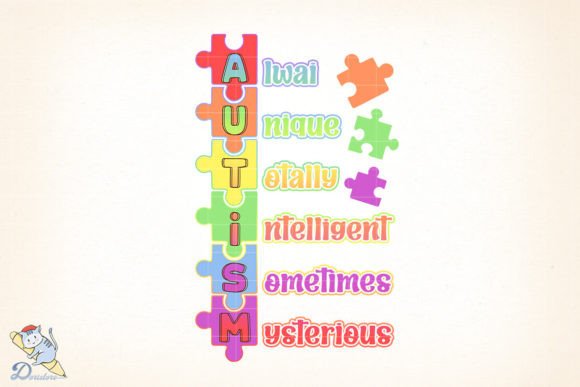
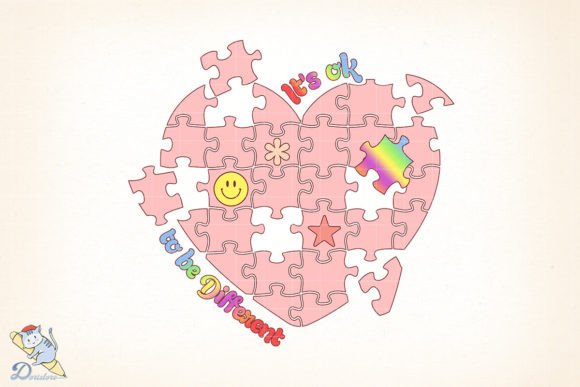
Art has long served as a powerful medium for self-expression, especially for individuals on the autism spectrum. The phrase Autism It's Ok to Be Different captures the essence of this creative inclusivity, encouraging both neurodivergent individuals and the broader community to appreciate diverse perspectives. One compelling example of this fusion is a hand-drawn illustration rendered in flowing pen and ink lines, then subtly enhanced with watercolor highlights. This artistic approach not only resonates emotionally but also serves a practical purpose when transformed into a high-quality digital file for print and digital use.
Understanding the Digital Art Process
The creation of this digital artwork begins with a freehand pen and ink drawing. The artist's strokes are fluid and organic, capturing the essence of individuality and emotional depth. Once the foundational sketch is complete, select areas are enhanced with watercolor brushes, adding gentle color accents that draw attention to key visual elements. This hybrid method of combining traditional media with digital reproduction results in a versatile file format that retains both artistic integrity and scalability.
The final product is delivered as a PNG file with a transparent background, ensuring adaptability across various applications. The file specifications include:
- Resolution of 300 DPI
- Dimensions of 4000×4000 pixels
- High-quality digital reproduction
This format allows for seamless integration into both personal and commercial projects, from print-on-demand items to digital media content.
Practical Applications Across Industries
Professionals in education, design, and healthcare are increasingly recognizing the value of incorporating inclusive imagery into their work. The Autism It's Ok to Be Different illustration, for instance, can be used in a variety of contexts:
- Educators can integrate the image into classroom materials to foster understanding and acceptance among students.
- Designers may use the PNG file in branding or marketing campaigns that promote neurodiversity and inclusivity.
- Therapists and counselors might incorporate the artwork into visual aids that support emotional expression and communication.
Its transparent background and high resolution make it particularly useful for overlaying on different backgrounds, adapting to both light and dark themes in digital and print formats.
Printing Options and Considerations
One of the most versatile aspects of this digital file is its compatibility with multiple printing methods. Users can choose from:
- Sublimation printing – Ideal for custom apparel, mugs, and other heat-transferable items.
- Waterslide printing – Often used for decals and model customization.
- Regular printing – Suitable for posters, flyers, and educational handouts.
However, it’s important to note that due to variations in screen calibration and printer settings, colors may appear differently across devices and printed outputs. This is a common characteristic of digital artwork and should be considered when selecting color-critical applications.
Who Benefits from This Type of Digital Art?
The Autism It's Ok to Be Different illustration appeals to a wide audience, including:
- Parents and caregivers seeking meaningful visual tools to support their child’s self-expression.
- Business owners looking to create inclusive marketing materials or merchandise.
- Content creators developing digital assets for blogs, social media, or e-learning platforms.
- Researchers and educators focused on promoting autism awareness and understanding.
This broad appeal underscores the importance of accessible, high-quality digital assets that can be easily adapted to meet diverse needs.
Why Choose Hand-Drawn Illustrations?
While digital illustration software offers precision, there's an irreplaceable charm in freehand pen and ink drawings. These handcrafted elements bring a sense of authenticity and warmth that resonates on a personal level. The use of watercolor highlights further enhances this effect, creating a balance between structure and spontaneity. This artistic style aligns well with the core message of Autism It's Ok to Be Different, emphasizing that uniqueness is not only acceptable but beautiful.
Technical Considerations for Users
When working with this digital file, users should be aware of several technical aspects to ensure optimal results:
- File Format: The PNG format supports transparency and high quality, making it ideal for overlaying on various backgrounds.
- Resolution: At 300 DPI and 4000×4000 pixels, the image remains crisp even when scaled for large-format printing.
- Color Management: Users should calibrate their monitors and printers to minimize color discrepancies.
- Usage Rights: While the image is ready for personal and commercial use, it's important to verify licensing terms before distribution.
Additionally, it’s worth noting that no cutting files (such as SVG or DXF formats) are included with this product. Those requiring vector-based files for laser cutting or CNC routing will need to source those separately.
Real-World Use Cases
Here are a few practical examples of how the Autism It's Ok to Be Different illustration can be applied:
- Custom Apparel: Print the design on t-shirts, hoodies, or tote bags to raise awareness during Autism Awareness Month.
- Educational Posters: Display the image in classrooms, therapy rooms, or community centers to spark conversations about neurodiversity.
- Digital Content: Use the PNG file in blog headers, social media graphics, or website banners to visually reinforce inclusive messaging.
- Therapeutic Tools: Incorporate the image into visual schedules, emotion charts, or sensory-friendly learning materials.
These examples illustrate the adaptability of the design across different platforms and purposes, making it a valuable asset for creators and organizations alike.
Conclusion: A Celebration of Diversity Through Design
The Autism It's Ok to Be Different digital illustration is more than just a visual asset—it's a statement of acceptance, creativity, and inclusion. By blending traditional drawing techniques with modern digital reproduction, it bridges the gap between art and accessibility. Whether used in education, design, or personal expression, this artwork serves as a reminder that individuality is not only okay but essential to a richer, more compassionate world.